The 24/7 lead concierge.
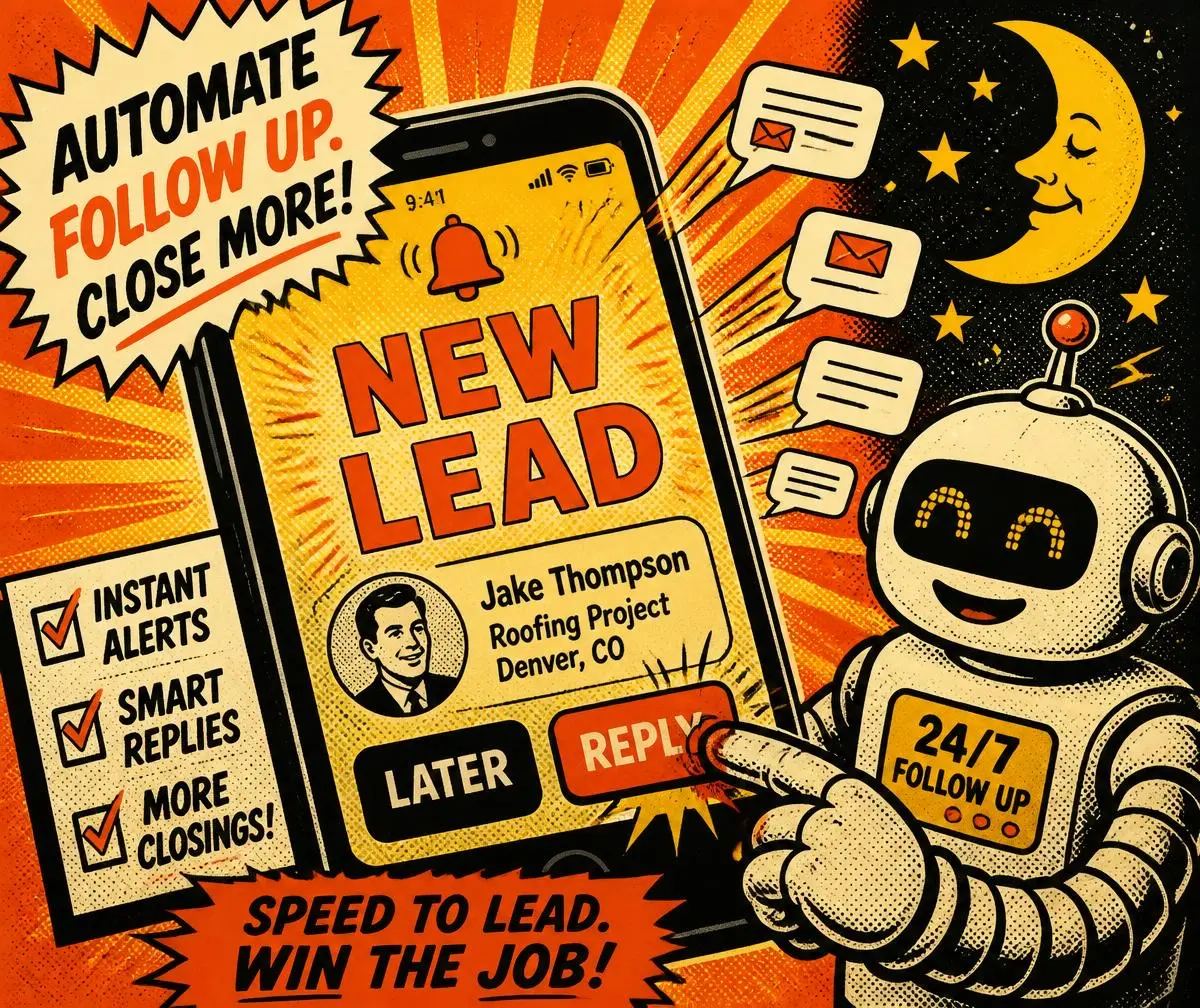
A B2B SaaS with a global market was losing 40% of inbound leads to slow response after hours. They hired one agent: reply within 90s, qualify against ICP, book the call on Google Calendar with a Meet link, log to the sheet.
Describe a job in one plain sentence. An agent owns it: answering your messages, running your follow-ups, watching your inbox, reporting every morning. No code. No node graphs. Your data stays in your cloud.
▸ answer every inbound lead in 90 seconds
▸ build me a Monday board of pipeline
▸ follow up 3× with @cold-list, then stop
◆ Agents/Workforce
Point at things by name. @files · /skills · $agents · *apps · #tools. That's the whole config.
Your sales agent replies within 90s of any inbound: qualifies against ICP, books the call, logs the lead.
Yesterday's revenue, signups, stalled deals, and the one thing that needs you today.

Support agent drafts replies from your docs and sends them. Refunds & bugs escalate to you.
Every Friday, the pipeline report writes itself and lands in Slack. Nobody late, nobody grumpy.

Watches 12 competitor pages, diffs pricing & positioning, delivers one page.
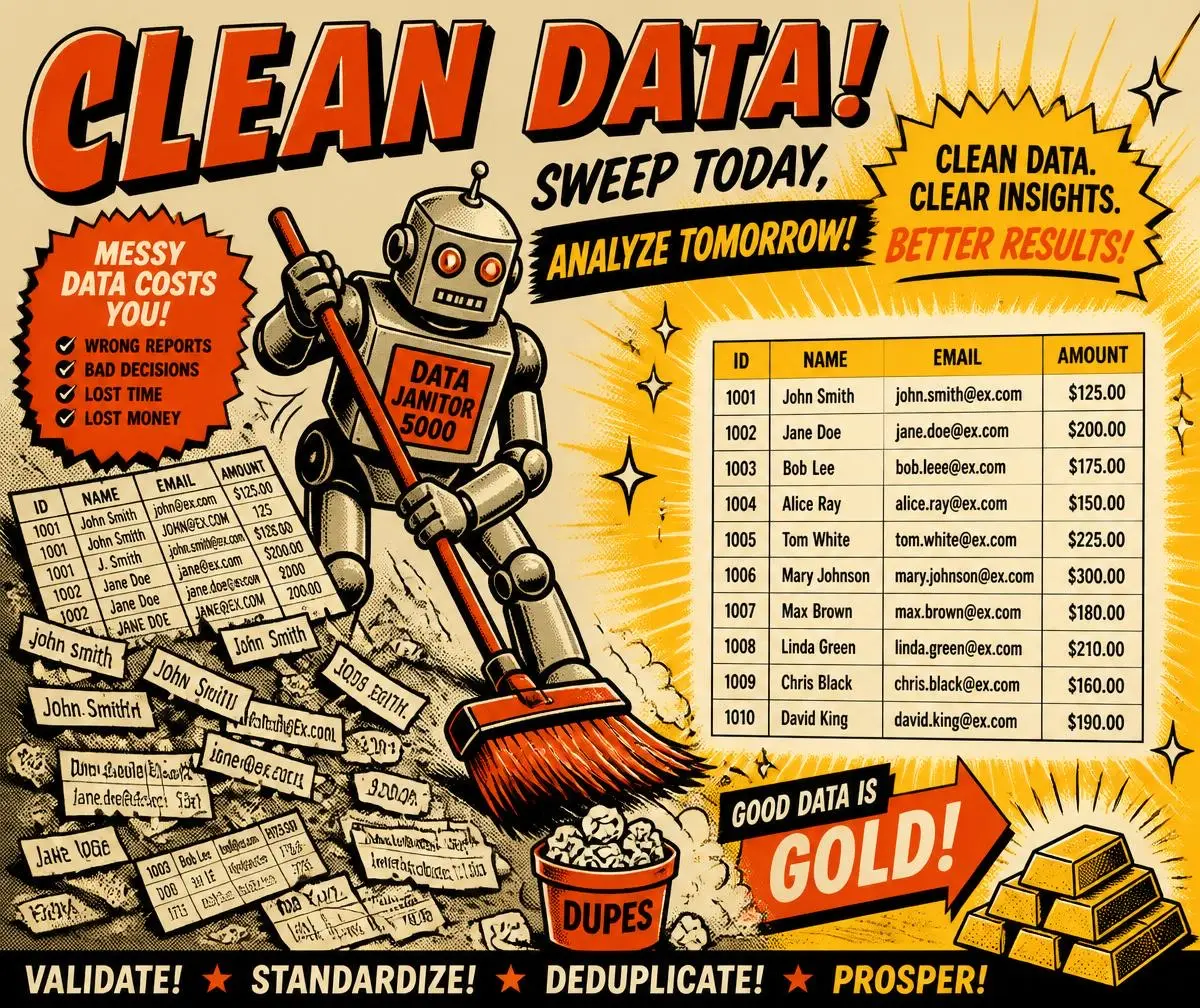
Partner CSVs land at random hours. Deduped, enriched, pushed to the pipeline sheet before coffee.

Sales, talent, finance, research, marketing, ops: hire a desk, not a headcount.


Your business is only awake 8 hours a day. Your customers aren't. Agentic OS agents work all 24: they answer the 2am lead, run the overnight report, and hand you a finished morning.

"Own inbound leads: reply in 5 min, qualify vs ICP, book a call." That's it. That's the config.
Picks tools, wires connectors, drafts the skill. You approve. It starts working: usually within a minute.
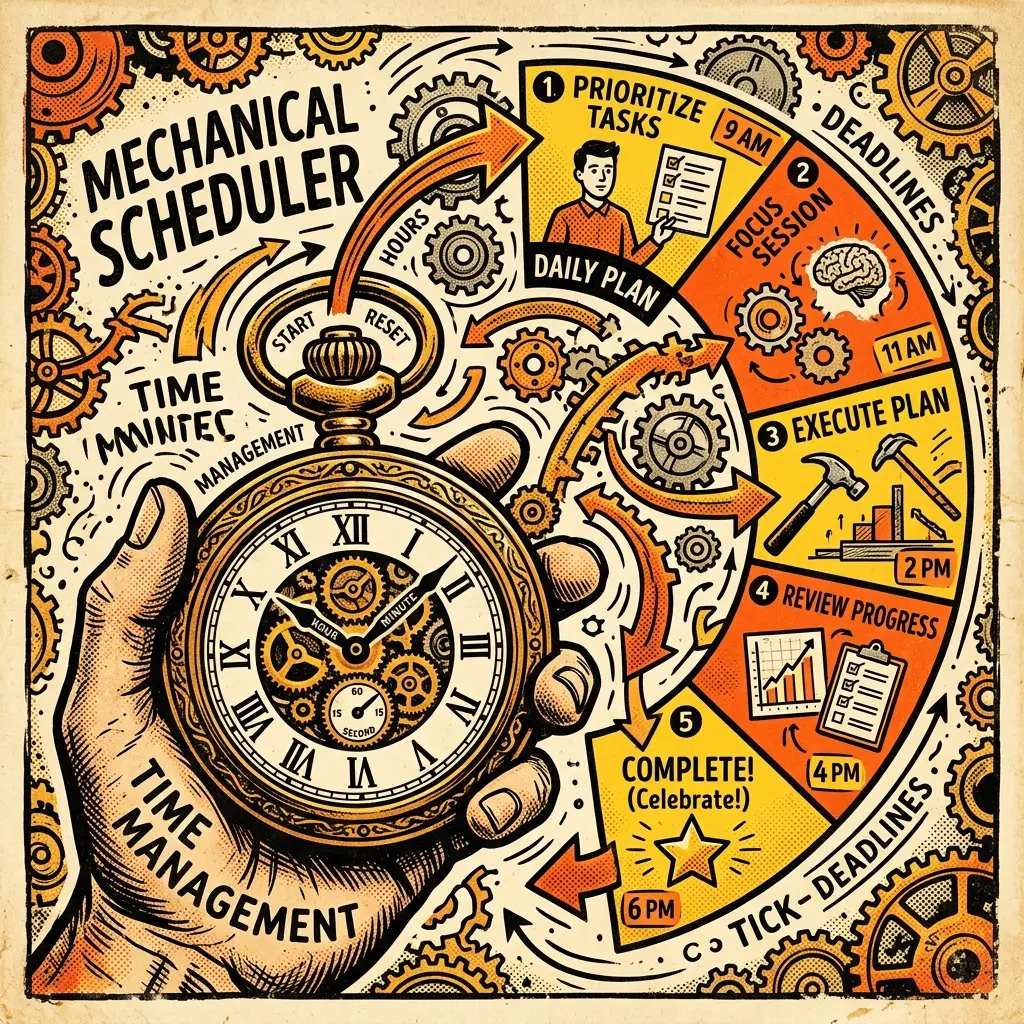
Runs on schedule, reacts to events, asks when unsure, versions every change, until you fire it.
"Every morning, read @pipeline.csv, apply /lead-scoring, have $researcher enrich the top 10 with !sonar, and send me the list on *telegram."
→ That's a 4-person workflow. Written like a text message. Ran at 6:02 am.
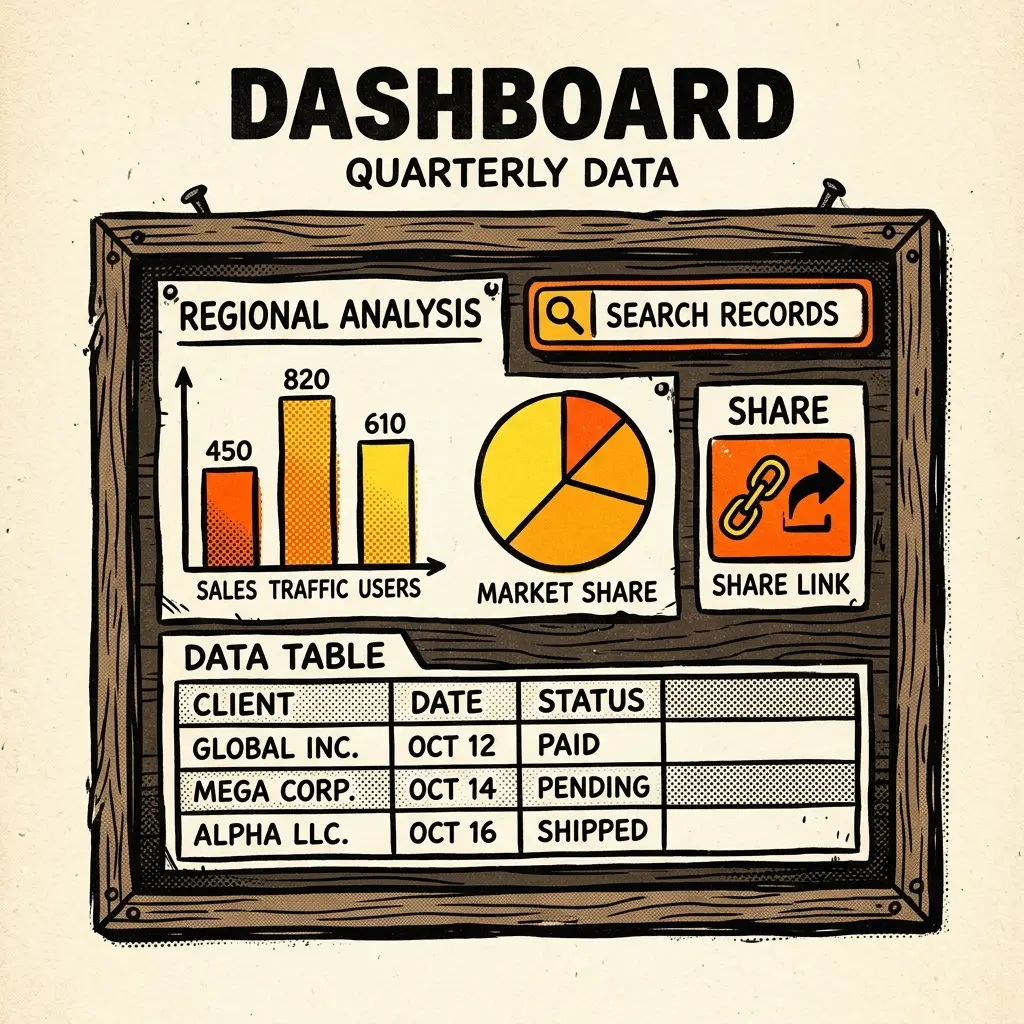
Describe a view in one sentence: get a live mini-app. Ask for one right in chat or from any agent — mention a board with %name to update it, get its share link, or spin up a new one mid-conversation. Mobile-ready. Kept current by the agents doing the work. One-click restore to any earlier version. Nothing ever lost.
React to events in seconds: Telegram, email, files, URL changes. Nothing ever lost.

Recurring responsibilities that fire on schedule and stop themselves when the job is done.

Schedules tasks with cron-like precision. Trigger background jobs, handle automated retries, and manage complex workflows.

Custom apps frontend for your files backend. Shareable as a link: anyone can build their own functional tool.

19 apps + any MCP server. Agents never see your keys, injected server-side.

Teach in a sentence. Install from GitHub. Plug in any MCP server. Extend without code.

Six sentences that quietly killed a lot of manual work.
A B2B SaaS with a global market was losing 40% of inbound leads to slow response after hours. They hired one agent: reply within 90s, qualify against ICP, book the call on Google Calendar with a Meet link, log to the sheet.
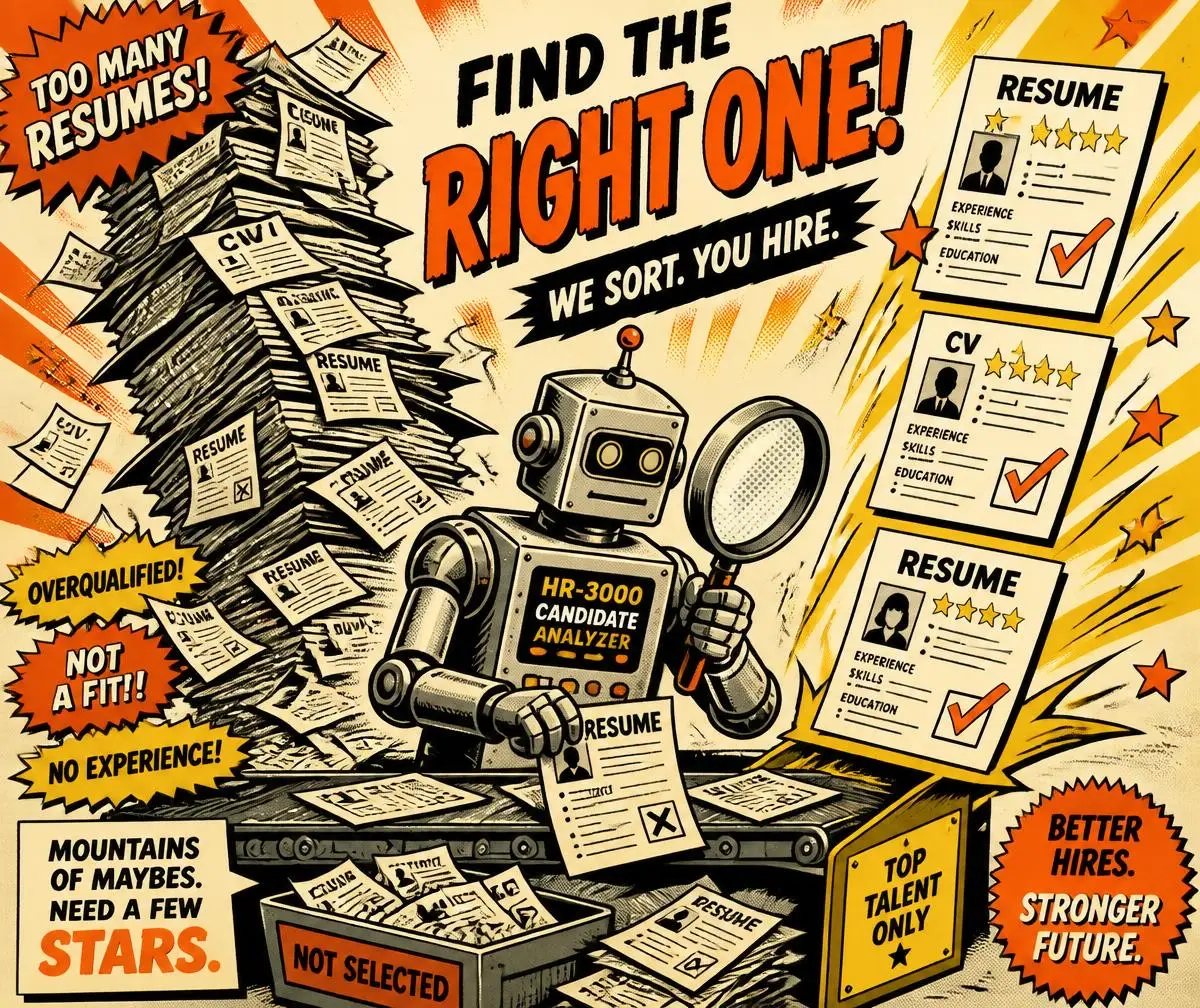
A 20-person startup posted a senior role and got 847 CVs in 6 days. Their hiring agent screened every one against the JD, checked GitHub for engineering roles, and shipped a shortlist of 22 with 3-line reasons.
An ecommerce brand ran Stripe-vs-orders reconciliation manually every Monday. Now an agent does it at 2am, drops a diff in Slack, and files receipts to Drive.
A DTC founder watches 14 competitors' pricing, homepages, and changelogs. The agent diffs them every morning and ships one page: what moved, what's new, what to react to.

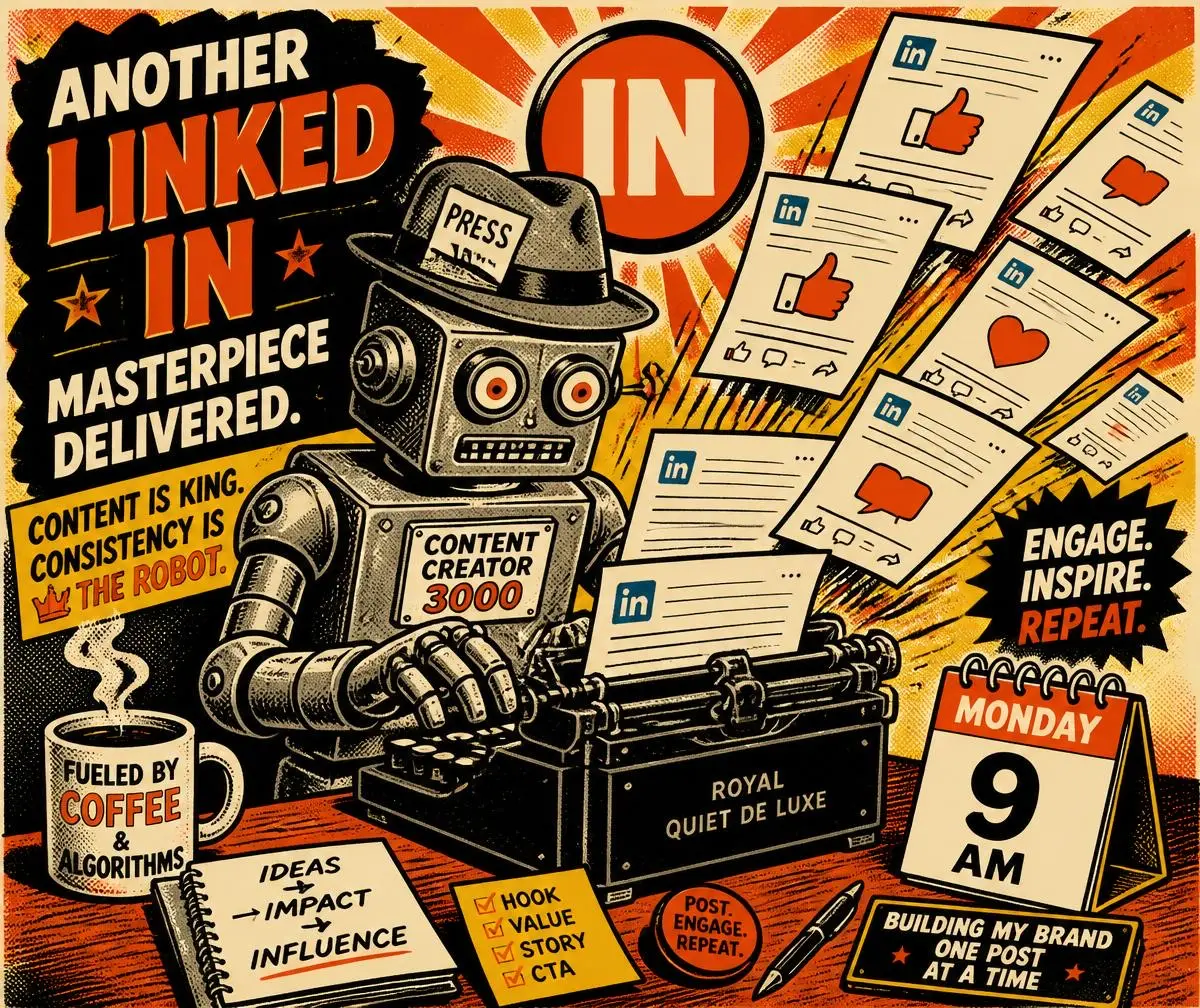
A B2B marketer runs a weekly LinkedIn cadence. The agent drafts posts from the week's shipped features, matches brand voice via /voice-guide, and queues them for review: 5 posts, every Monday, 9am.

A field-sales team receives partner lead CSVs at random hours. The agent dedupes, enriches via Apollo, formats to spec, and drops clean rows into the pipeline sheet before anyone's coffee.
One connection, injected server-side, used by every agent forever. Agents never touch a token.
| *google-calendar | *drive | *sheets | *docs | |
| *telegram | *slack | *discord | *notion | *airtable |
| *stripe | *github | *resend | *tavily | |
| *apollo | *hunter | *firecrawl | *serper | #any-mcp |

An AI workforce should be safer than a login you email around. It is.
Files live in your Drive or SharePoint. On disconnect, everything moves out with you.
Every agent runs OS-isolated. Cannot see other workspaces, even by trickery.
Tokens injected server-side. Agents use your accounts without holding a single secret.
Per-agent spend caps, live spend chart, per-cent metering. Zero surprise bills.
Usage credits metered to the cent across 300+ models. Unused credits roll over. Cancel anytime.

Yes. Files never leave your Drive/SharePoint: agents work there. On disconnect, everything moves out with you. Agents are kernel-sandboxed and never see your keys.
It asks one clarifying question when unsure instead of guessing. Every action is logged. Spend caps bound it. And you can rewind any change in one click.
No. If you can write a Slack message, you can hire an agent. No code, no config, no node editor.
Events are stored before being acknowledged: delayed at worst, never lost. Schedules fire whether you're logged in or not.
Metered to the cent. Live spend chart. Per-agent caps. Unused credits roll over.
Yes: $ points at another agent. Build a whole org chart in a sentence: collector → scorer → researcher → you.
Free to start. No credit card. First agent hired in 60 seconds.